

As the bubble tea industry becomes more competitive, choosing the right commercial tapioca pearl machine is a strategic decision rather than a simple equipment purchase. Buyers today look beyond price and focus on long-term performance, food safety, production flexibility, and after-sales support.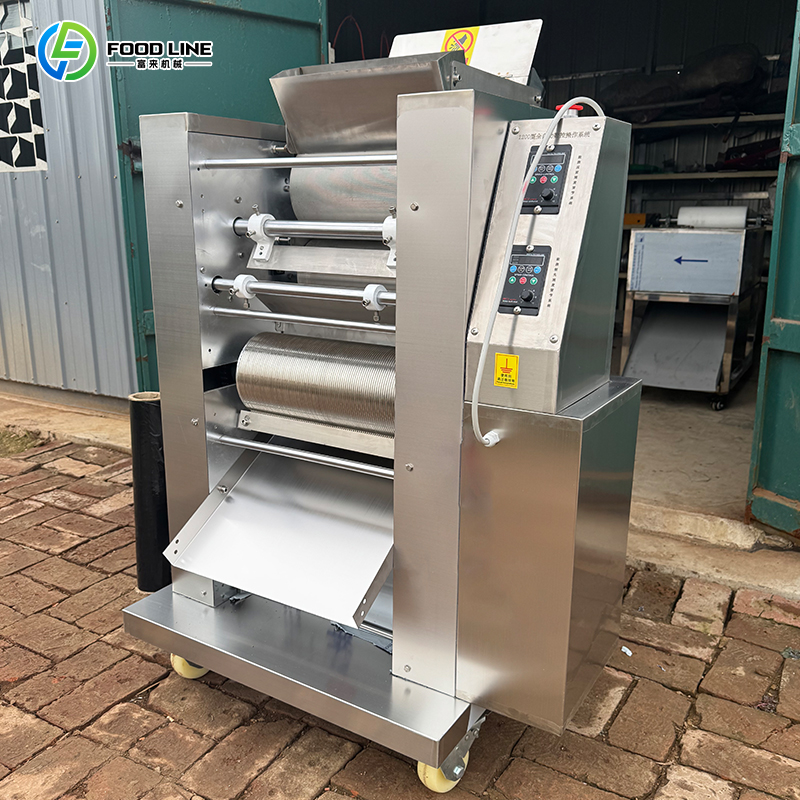
Performance stability is one of the most important factors. A high-quality tapioca pearl machine should operate continuously for long hours without frequent breakdowns. Stable forming, smooth extrusion, and uniform pearl size directly affect product consistency and customer satisfaction. Fully automatic systems help reduce human error and ensure reliable output day after day.
Production capacity is another key consideration. Machines with an adjustable output range, such as 0–120 kg per hour, allow businesses to adapt to changing demand. This flexibility is ideal for growing brands, seasonal peaks, and centralized production models.
Food safety standards also play a critical role in purchasing decisions, especially in international markets. Machines constructed with 304 food-grade stainless steel are widely accepted for commercial food processing. They offer durability, corrosion resistance, and easy cleaning, helping businesses comply with hygiene regulations and maintain a professional production environment.
In addition, buyers increasingly value ease of operation and maintenance. User-friendly controls, simple structure, and accessible components reduce training time and maintenance costs. Reliable after-sales service further ensures smooth operation and long-term return on investment.
Ultimately, a commercial tapioca pearl machine is not just a tool—it is a foundation for consistent quality, efficient production, and brand credibility. Choosing the right machine helps businesses stay competitive and prepared for future growth.


 5F, Block B, Jingsha Plaza, No.8 Jingguang South Road, Erqi District, Zhengzhou, Henan,
China
5F, Block B, Jingsha Plaza, No.8 Jingguang South Road, Erqi District, Zhengzhou, Henan,
China
 Tel/WhatsApp:+8613783657303


 Email: